
Vitamins and Food Sources
An educational overview of nutrients in everyday foods
An educational overview of nutrients in everyday foods
Educational content only. No medical services. No promises of outcomes.
This resource provides general information about vitamins and minerals found in common foods. All content is for informational purposes and does not constitute individual recommendations or advice.
Vitamins are organic compounds that play various roles in human metabolism. They are naturally present in many foods and are classified into two main categories: water-soluble and fat-soluble.
Water-soluble vitamins include B-complex vitamins and vitamin C. These are not stored in the body in significant amounts and need regular intake through food. Fat-soluble vitamins such as A, D, E, and K can be stored in body tissues.
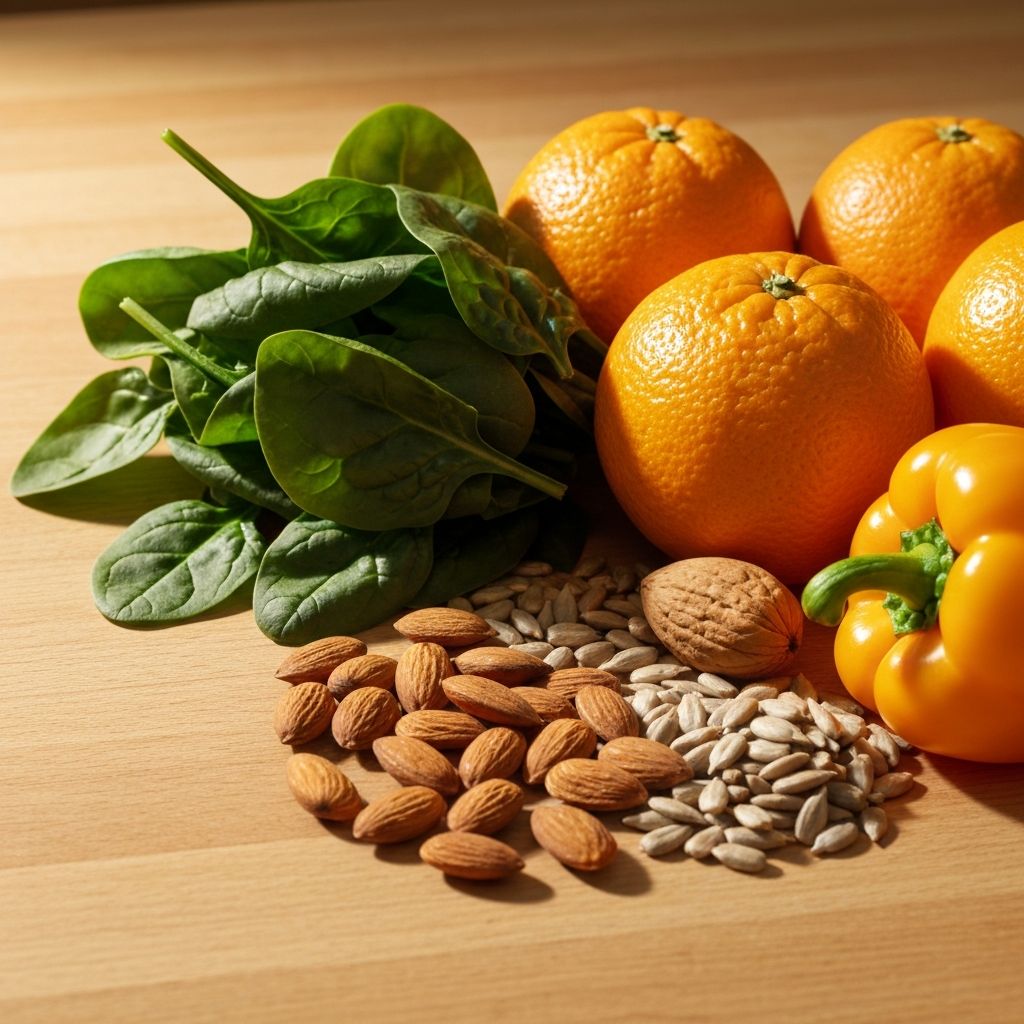
Understanding the basic categories helps in recognizing how different foods contribute to overall nutrient intake in everyday eating patterns.
Many common foods contain various vitamins and minerals. Here is a general overview of where certain nutrients can be found:
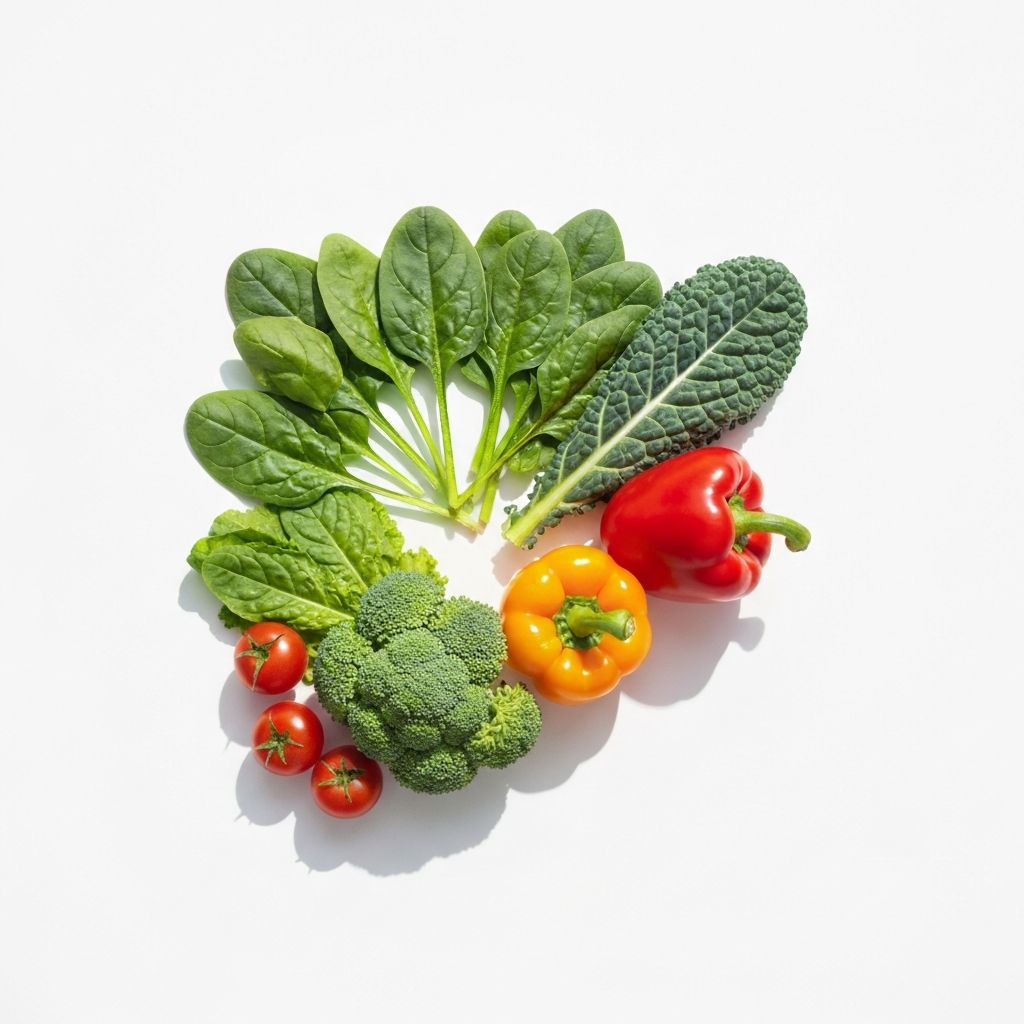

| Nutrient | Common Food Examples |
|---|---|
| Vitamin A | Carrots, sweet potatoes, spinach, kale |
| Vitamin C | Citrus fruits, bell peppers, broccoli, strawberries |
| Vitamin D | Fatty fish, egg yolks, fortified dairy products |
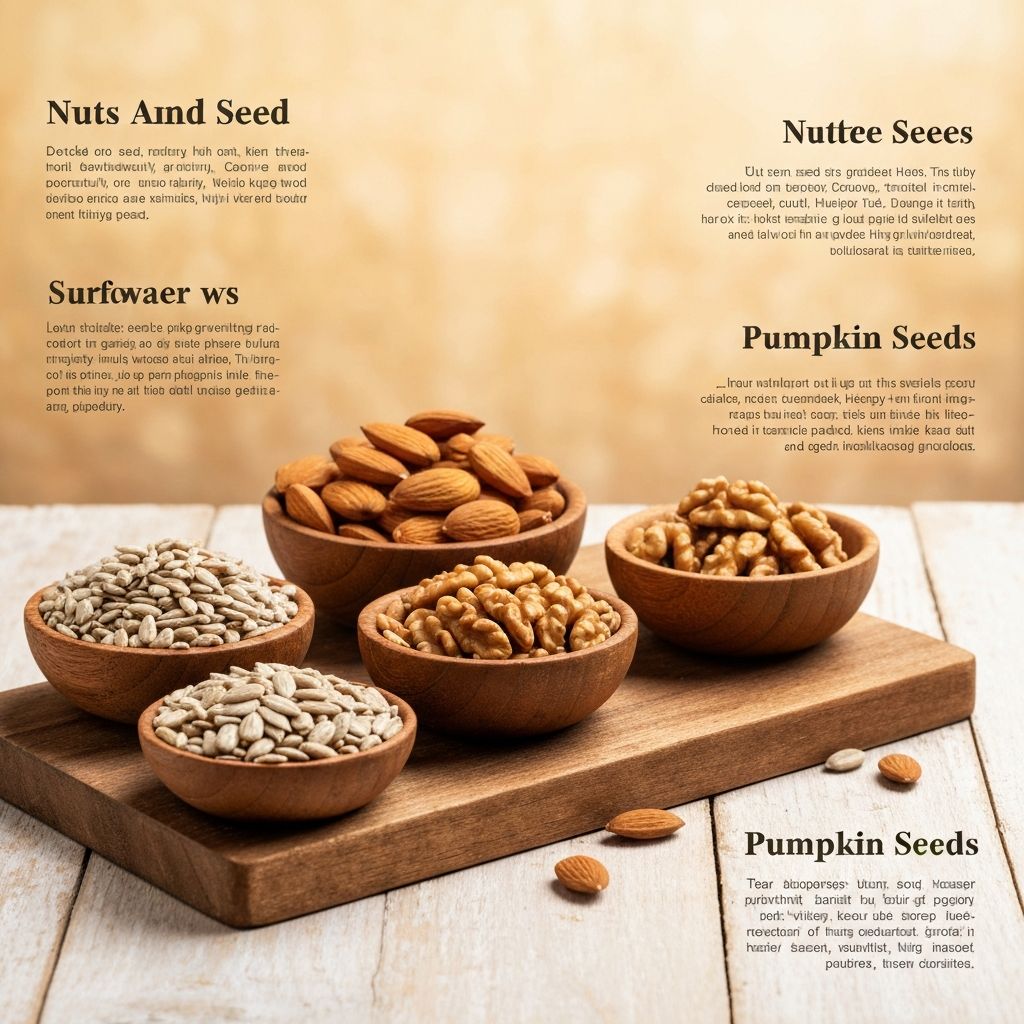
| Vitamin E | Nuts, seeds, vegetable oils, leafy greens |
| B Vitamins | Whole grains, legumes, meat, eggs, leafy vegetables |
| Vitamin K | Leafy greens, broccoli, Brussels sprouts |
| Calcium | Dairy products, leafy greens, fortified foods |
| Iron | Red meat, beans, lentils, fortified cereals |
| Magnesium | Nuts, seeds, whole grains, leafy vegetables |
| Zinc | Meat, shellfish, legumes, seeds, nuts |
This overview represents general information about nutrient content in commonly consumed foods.
Vitamins and minerals participate in numerous biochemical processes within the human body. Each nutrient has specific functions at the cellular and systemic levels.
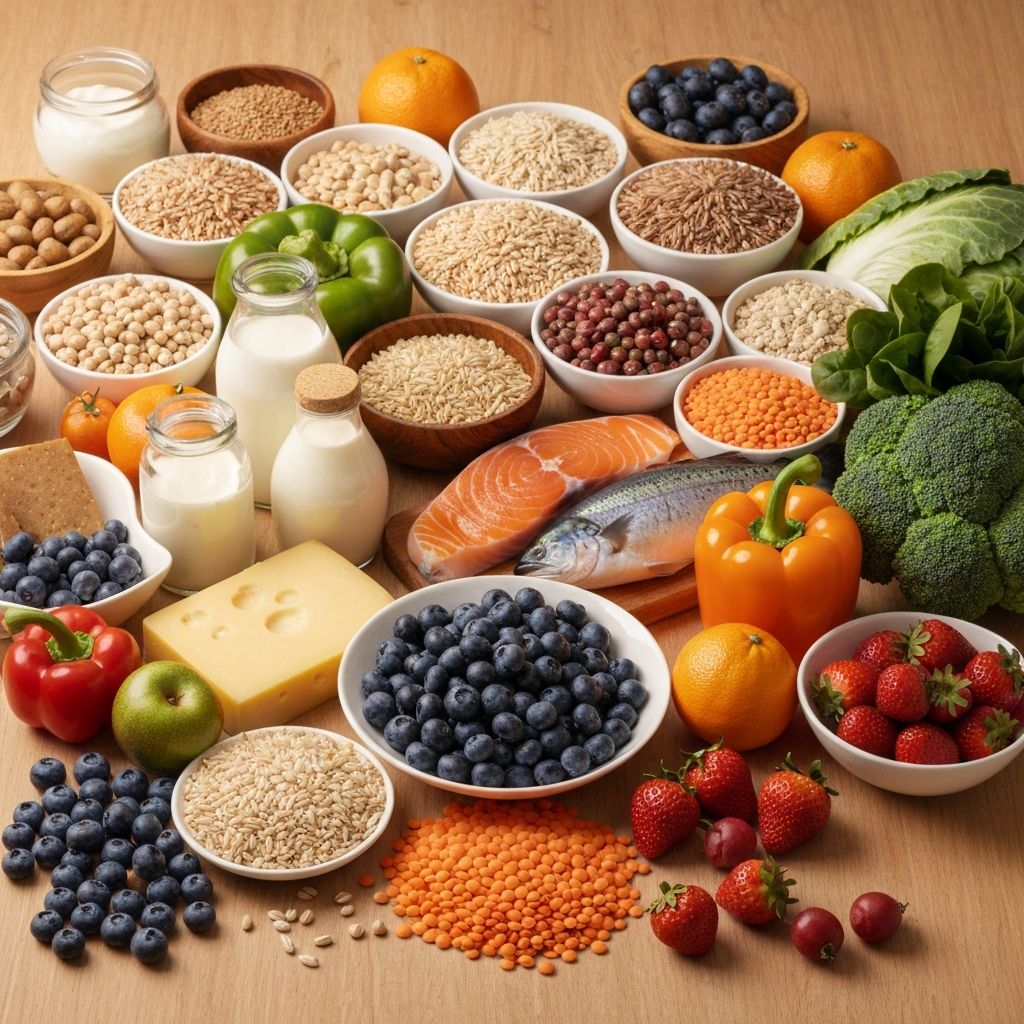
For example, B vitamins are involved in energy metabolism, vitamin C plays a role in collagen synthesis, and vitamin D is connected to calcium absorption. Minerals like iron are components of hemoglobin, while zinc is present in many enzymatic reactions.
These descriptions represent established scientific understanding of nutrient functions in general human physiology.

There are many widespread beliefs about vitamins and nutrition that are not supported by scientific evidence. Here are some clarifications:
These points reflect current scientific consensus on nutrition topics.

Dietary patterns vary widely across cultures and individuals. In Slovenia and Central Europe, traditional eating patterns often include:
These observations describe common food choices without suggesting specific eating schedules or combinations.
Nutritional science studies the relationship between food composition and biological processes. Research in this field examines:
Scientific understanding of nutrition continues to evolve through ongoing research. Current knowledge is based on epidemiological studies, controlled trials, and biochemical research.
It is important to note that nutritional needs vary among individuals based on age, activity level, genetic factors, and other variables.
This website provides educational information about vitamins and minerals found in common foods. The content is intended for general knowledge purposes only.
Important Notes:
For comprehensive information, refer to peer-reviewed scientific literature and established public health resources.
Learn more about the informational content available on this educational resource.
Discover More Information